
Purchase any WEBINAR and get
$10 Off
CODE: SAVE10
T&C applicable, please referFAQ
Validity : 18th Oct'26 to 28th Oct'26
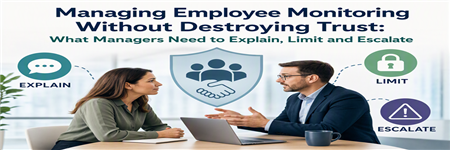
Workplace monitoring now includes productivity dashboards, activity logs, call recording, cameras, location tracking, email and message review, wearable devices, attendance systems, and AI-generated performance signals. These tools may serve legitimate operational, security, safety, or compliance purposes, but managers often receive the data without enough guidance on how to explain it, interpret it, or use it fairly.
This workshop gives managers, Human Resources professionals, and compliance-aware leaders a practical framework for handling employee monitoring without turning normal oversight into unmanaged surveillance. It covers the manager’s role in explaining the purpose and boundaries of monitoring, distinguishing a useful signal from proof of poor performance or misconduct, checking context before acting, protecting sensitive information, and preserving meaningful human review. Participants will also learn how to respond to employee questions, recognize accommodation or discrimination concerns, and escalate issues involving privacy, labor relations, legal requirements, technology, or security. The session provides management and compliance awareness rather than state-specific legal advice.
Monitoring data can look objective while missing context, producing false positives, or disadvantaging employees whose work does not fit the metric. When managers cannot explain what is being measured or treat a dashboard as proof, trust drops and privacy, discrimination, accommodation, and employee-relations risks increase. This session helps managers use monitoring information with clearer limits and better judgment.
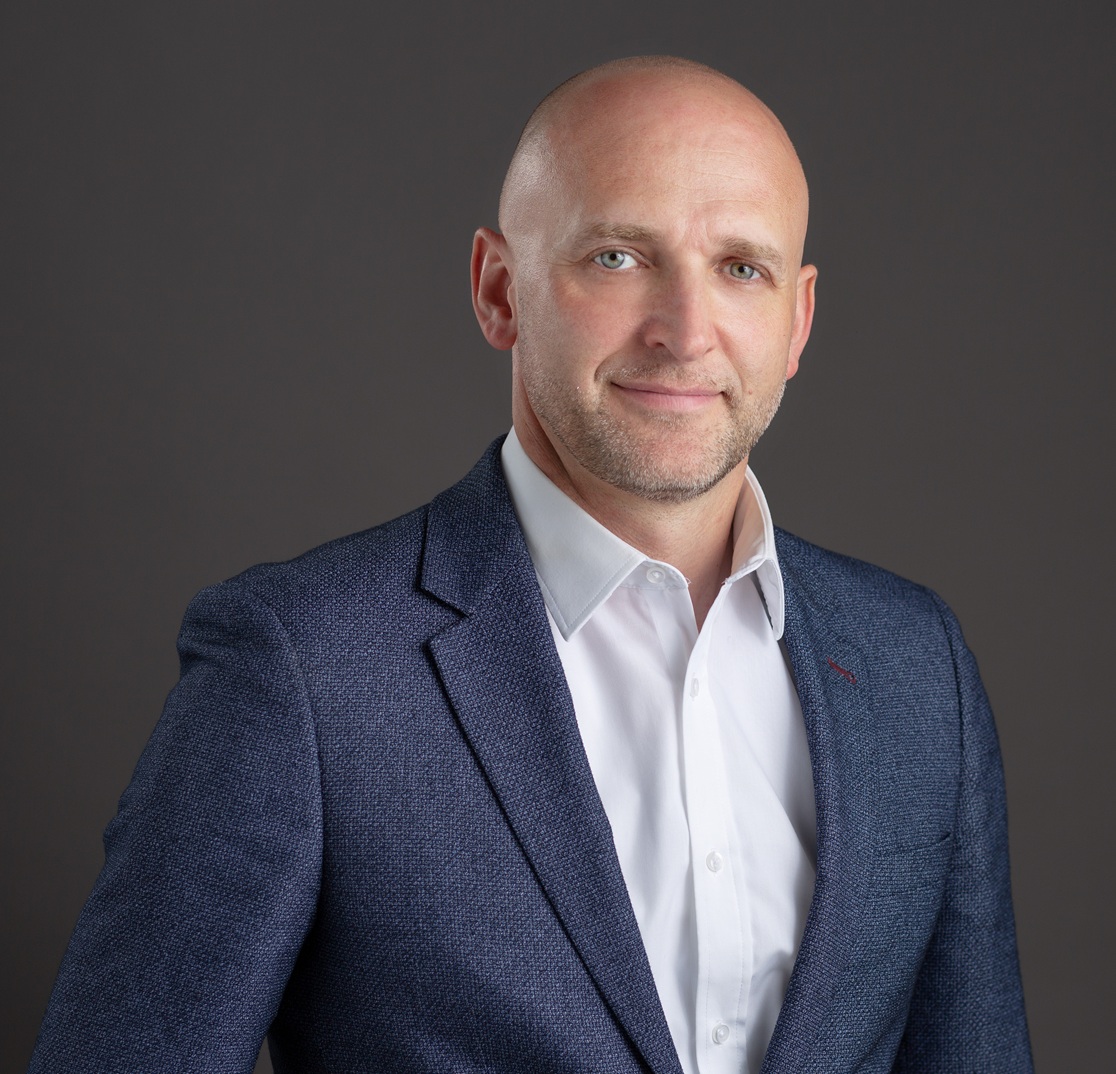
Lukasz Kalinowski is an Executive Coach, Leadership Trainer and former General Manager with over 18 years' experience in leadership, operations and management. His background includes leading large teams, managing high-pressure commercial environments, and supporting senior leaders, managers and business owners across the UK, US, Europe and the UAE.His work focuses on practical leadership: difficult conversations, accountability, conflict at work, resilience, change fatigue, decision-making under pressure and helping teams adopt Artificial Intelligence without fear, confusion or unnecessary extra work. Lukasz combines senior operational experience with executive coaching to deliver sessions that are clear, direct and immediately useful for busy professionals.
HR (General) recertification credit hours toward aPHR™, PHR®, PHRca®, SPHR®, GPHR®, PHRi™ and SPHRi™ recertification through HR Certification Institute® (HRCI®). Please make note of the activity ID number on your recertification application form. For more information about certification or recertification, please visit the HR Certification Institute website at www.hrci.org

ComplianceIQ is recognized by SHRM to offer Professional Development Credits (PDCs) for the SHRM-CPSM or SHRM-SCPSM. This program is valid for [1] PDCs for the SHRM-CPSM or SHRM-SCPSM. For more information about certification or recertification, please visit www.shrmcertification.org.


